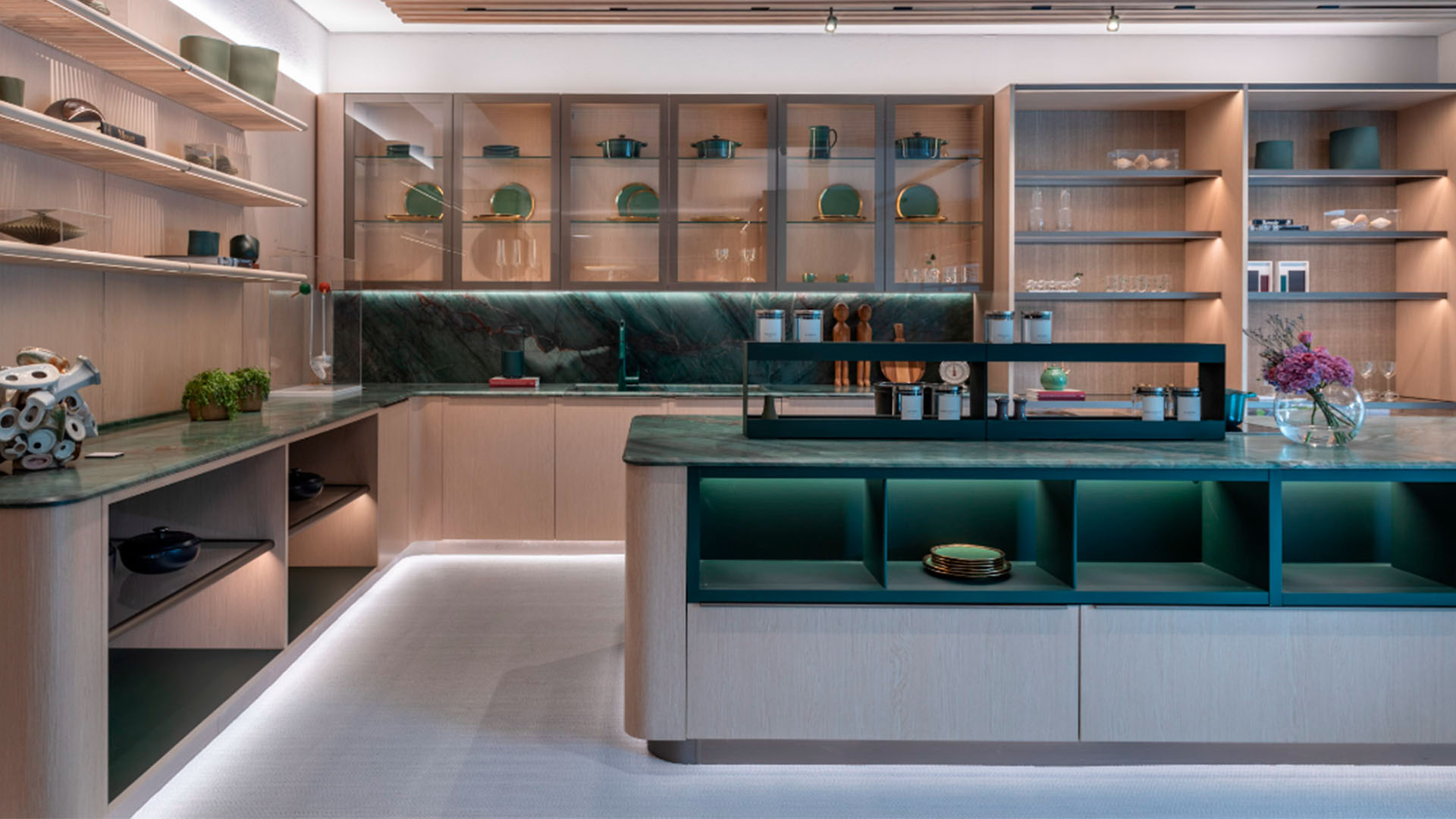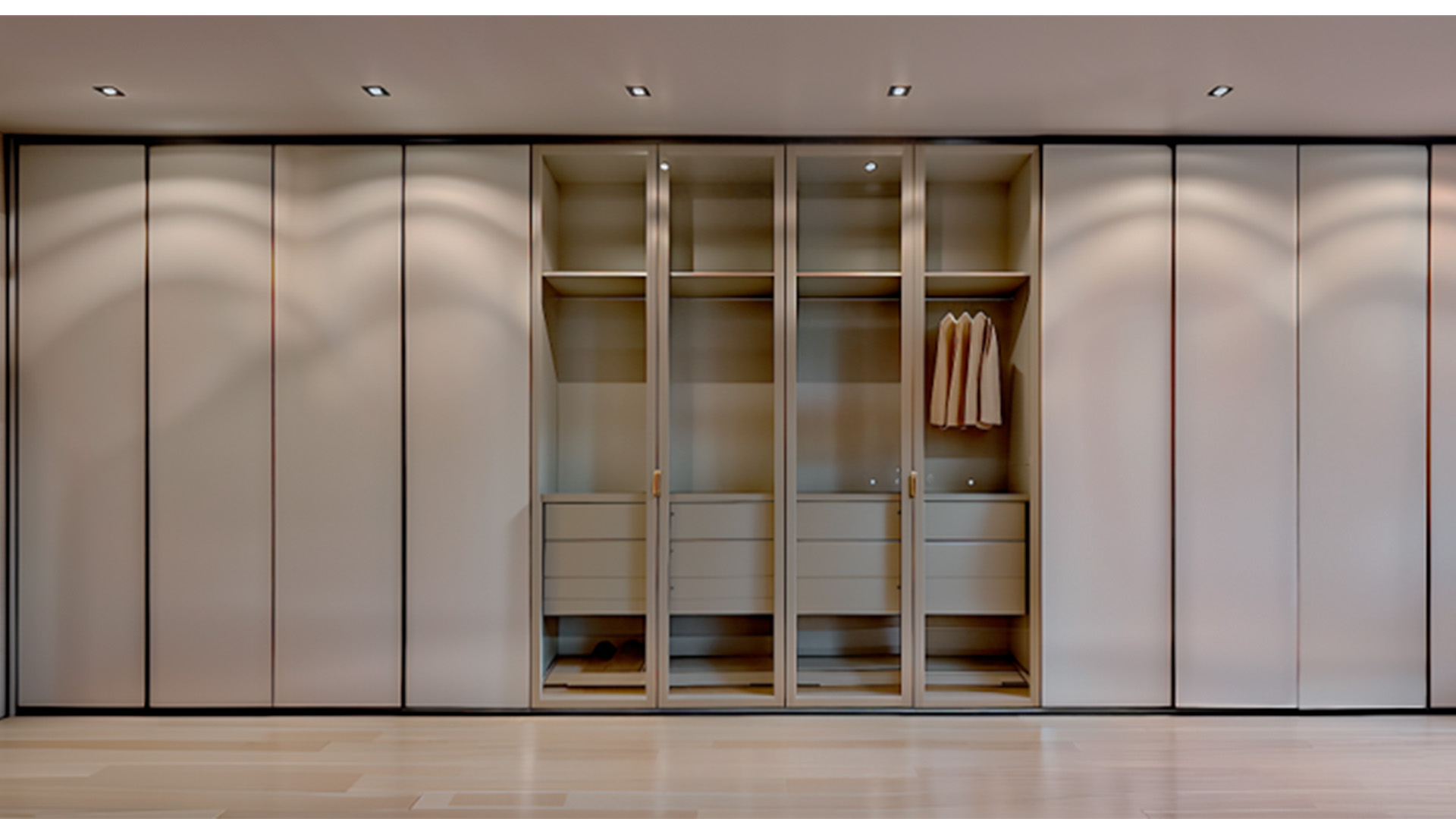
Storage cabinet with doors: materials, finishes and what holds up over time
A storage cabinet with doors looks the same on day one regardless of whether it’s built well or built to a price point. The difference shows up later — in how the doors hang after two years of daily opening and closing, in whether the finish chips at the edges where hands make contact, in whether the cabinet box stays square or gradually shifts as the building settles around it. These are the variables that determine whether a cabinet investment holds its value or starts to look like a compromise within a few years of installation.
Evaluating these variables before purchase requires knowing what to look for — because the differences aren’t visible in product photography and aren’t communicated in most specifications. This article covers the material and finish decisions that determine long-term performance in a closed storage cabinet, and what each choice actually means in daily use.
Cabinet box construction: what’s behind the door affects everything in front of it
The box — the structural shell of the cabinet — is where material quality has the most direct impact on longevity. A storage cabinet box built from dimensionally stable materials maintains its shape over time: doors stay aligned, drawers continue to operate smoothly, and the cabinet reads as precise and intentional years after installation. A box built from materials that respond to humidity changes — swelling and contracting with seasonal variation — gradually loses that precision. Doors that aligned perfectly on installation day develop gaps. Drawers that opened smoothly start to bind. The degradation is slow, but it’s consistent.
Ornare builds cabinet boxes from materials selected for structural stability in the conditions typical of residential interiors in the US — which means accounting for the humidity swings between summer and winter in markets like New York, Houston, and Washington D.C., where seasonal variation is significant. This isn’t a premium specification — it’s a baseline requirement for a cabinet that’s expected to perform correctly for a decade or more.
Door and drawer front materials: the finish that determines daily experience
The door and drawer fronts are the surfaces that get touched most often in any closed storage cabinet. They’re also the surfaces that are evaluated most closely by anyone looking at the cabinet — which means they carry the dual burden of aesthetic performance and physical durability. The finish on these surfaces needs to look right immediately and continue to look right after thousands of openings and closings.
Lacquered finishes — applied in multiple coats and cured to a hard surface — are the most common choice in contemporary cabinetry, and they vary considerably in quality. A lacquered door of high quality resists chipping at the edges (the point of highest contact and highest risk), maintains its color without yellowing under ambient light, and cleans easily without the finish degrading from regular wiping. A lower-quality lacquer does none of these things reliably — edge chipping appears within the first year of use, particularly on doors that are gripped rather than pushed to open, and cleaning with anything stronger than a dry cloth can leave visible marks.
Matte lacquer and gloss lacquer behave differently in daily use. Matte finishes show fingerprints less readily than gloss, which matters in a storage cabinet that gets touched throughout the day — a linen cabinet in a hallway, a media cabinet in a living room, a closed storage unit in a home office. Gloss finishes amplify light and increase the perceived size of a room, but they require more frequent cleaning to maintain their appearance. The choice between matte and gloss is partly aesthetic and partly practical, and the right answer depends on where the cabinet is and how often it’s touched.
Wood veneer fronts bring a different set of performance characteristics. Natural veneer — a thin layer of real wood applied over a stable substrate — produces a surface with the visual depth and warmth of solid wood at a fraction of the weight and cost. The veneer needs to be thick enough to be sanded if surface scratches develop, and the edge treatment at the door perimeter needs to be finished to the same standard as the face — because edge delamination is one of the first failure modes of poorly manufactured veneered doors. Ornare selects veneer for both face quality and edge finish quality, because a door that looks excellent from the front but shows raw substrate at the edges isn’t a quality product regardless of the species or figure of the veneer face.
Hinge and hardware performance: what keeps doors aligned after years of use
The hardware on a storage cabinet with doors is the mechanical component that determines how the cabinet behaves in use — and it’s the component most likely to be underspecified in cabinets that are priced attractively. A hinge of adequate quality holds door alignment within acceptable tolerances over years of use without requiring periodic readjustment. A hinge of insufficient quality starts to drift within the first year — a gap develops between adjacent doors, or a door that was level starts to drop at one corner — and no amount of adjustment fully corrects it because the mechanical tolerance of the hinge itself is the problem.
Soft-close mechanisms are now standard in most quality cabinetry, but they vary in quality. A soft-close of adequate specification decelerates the door progressively and silently through its full range of motion, with no bounce or thud at the end. A cheaper mechanism provides soft-close action only in the last inch of travel — the door moves normally and then clunks to a stop with a deceleration that becomes louder as the mechanism wears. The Ornare showrooms in Miami, Los Angeles, and the Hamptons have closed storage installations where the door and drawer hardware can be operated directly — which is the most efficient way to evaluate hardware quality before purchasing, because the difference between adequate and inadequate soft-close is immediately apparent to anyone who opens and closes both.
Finish longevity in different environments: what location changes about material choice
A storage cabinet with doors in a coastal home — the Hamptons, Palm Beach, or a Miami waterfront property — is exposed to higher ambient humidity year-round than the same cabinet in a Dallas or Houston interior. High humidity doesn’t affect all finishes equally. Lacquered finishes with adequate sealing at the edges are generally stable in humid environments. Wood veneer without adequate moisture protection can move seasonally, producing door gaps in dry conditions and door binding in wet conditions. The substrate material under the veneer matters here: some substrates are more dimensionally stable across humidity ranges than others.
Ornare specifies materials and finishes with the installation environment in mind — which means coastal installations in Palm Beach or the Hamptons get the same material quality as interiors in drier climates, without requiring separate specifications or premium add-ons. The finish selections that perform correctly in a Greenwich or New York City interior also perform correctly in a Hamptons property with higher year-round humidity, because the baseline specification accounts for residential environmental conditions rather than assuming a controlled environment.