Woodwork wardrobe: what wood actually does in a bedroom that no other material can
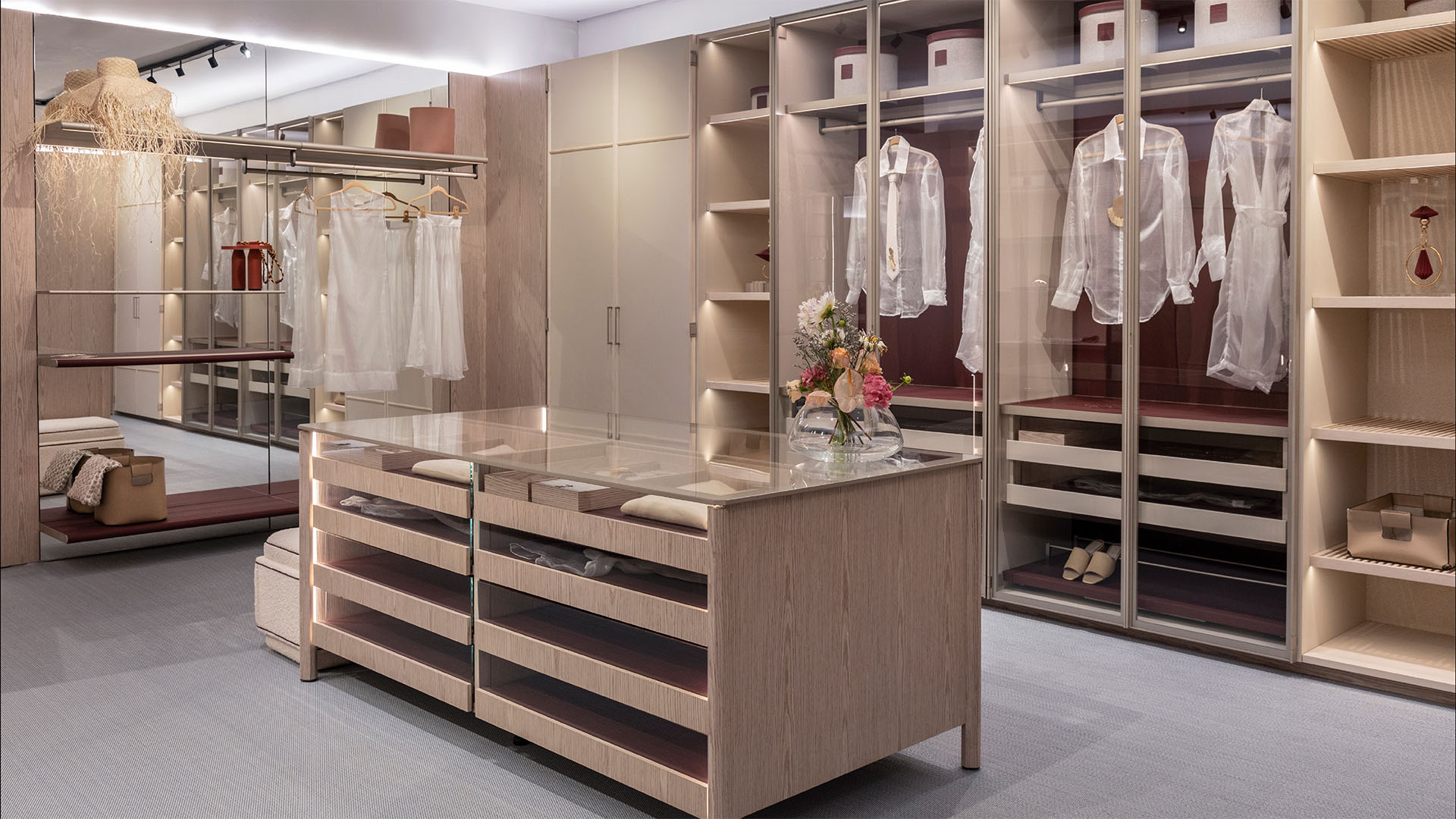
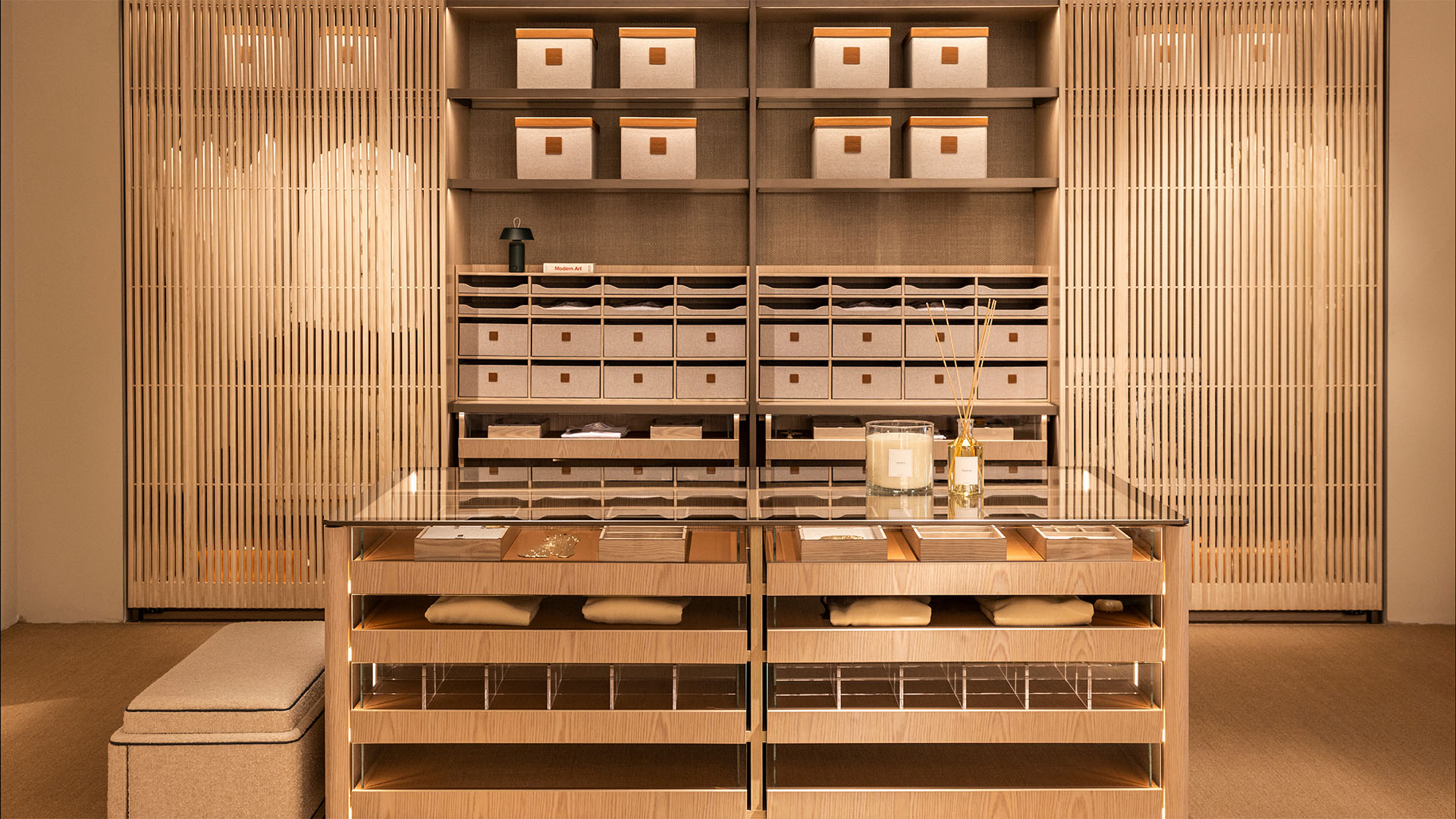
Wood in a wardrobe is not a style decision — it’s a sensory one. The grain catches light differently at seven in the morning than it does at seven in the evening. The surface has weight and warmth that lacquered panels don’t, no matter how refined the finish. And in a bedroom, where the wardrobe is often the largest surface in the room, that difference in material quality shapes how the entire space feels to be in. A woodwork wardrobe done well doesn’t just store clothes — it anchors the room.
The difficulty is execution. Wood in a wardrobe requires a level of production precision that forgives nothing: veneer selection, grain matching across panels, edge treatment, the way the wood responds to the joining details at corners and transitions. Done poorly, a wood wardrobe looks like a collection of panels that happen to be adjacent. Done well, it looks like the room was built around it. Ornare has been working at that second level since 1986, with woodwork that treats the grain as a design element rather than a background texture.
How Ornare uses wood veneer in wardrobe design: selection, matching and scale
The difference between wood veneer that looks generic and wood veneer that looks exceptional comes down to three things: the species selected, the way the grain is matched across adjacent panels, and the scale at which the wood is applied. Ornare addresses all three in its closet collections.
Species selection matters because different woods behave differently at wardrobe scale. A lighter wood like ash or maple reads as bright and contemporary, with fine, relatively uniform grain that doesn’t compete with other elements in the room. A mid-tone like oak has more visual movement — the grain is more pronounced, the figure more varied — and brings a quality that feels grounded and material-rich without being heavy. Walnut reads darker and more dramatic, with a depth of color that works particularly well in rooms with strong natural light or high ceilings where the wardrobe needs to hold its own against the architecture.
Grain matching across panels is where most wood wardrobes either succeed or fail in terms of feeling intentional. When the grain runs continuously from one door to the next — or when the pattern is deliberately mirrored at a joint — the wardrobe reads as a single composed surface. When panels are selected without attention to how they relate to each other, the result looks random, like planks assembled without a plan.
Ornare’s production process includes veneer selection at the panel level specifically to control this, which is why the wood surfaces in an Ornare wardrobe look different from what you’d find in a mass-produced alternative.
Woodwork wardrobe collections at Ornare: which one fits your bedroom
The closet catalog at Ornare includes several collections that work particularly well in wood. Rather than running through features in sequence, it’s more useful to think about which collection suits which kind of bedroom and which kind of person using it.
Timeless Closet in wood veneer is for the bedroom that needs permanence — a room that’s been designed once and should feel complete for decades without dating. The proportions are classical without being traditional, and the wood finish gives the wardrobe a weight and dignity that painted surfaces can’t achieve.
Wall System Bedroom is for the room where the wall needs to do multiple things: the wood can run across hanging sections, drawer banks, open shelving, and display niches in a single continuous composition that reads as architecture rather than furniture. Infinite works best when ceiling height is significant — the continuous vertical panels in wood create an almost column-like effect that makes the most of height rather than fighting it. Essential and Lys, both in wood, are for rooms where the wardrobe should recede — present as quality but not as statement, letting other elements in the bedroom carry the visual weight.
Interior organization in a woodwork wardrobe: what the inside needs to match the outside
A custom woodwork wardrobe that opens to a poorly organized interior is a missed opportunity. Ornare extends the same design attention to the interior — hanging sections at multiple heights for different garment lengths, drawer systems with soft-close mechanisms, adjustable shelving that can be reconfigured as the wardrobe’s contents change, dedicated sections for shoes, bags, and accessories. The interior can be finished in coordinated materials that match the exterior veneer, or in a contrasting finish that creates a deliberate reveal when the doors open.
This interior design work happens as part of the project from the beginning — not as an afterthought after the exterior is decided. The reason is practical: the interior organization determines the structural requirements of the wardrobe, which affects the exterior dimensions and proportions. A wardrobe designed from the outside in often has to compromise on interior function. One designed from the inside out — starting with what needs to be stored and how — produces an exterior that’s the right size for the right reasons.
Ornare consultants at the New York, Miami, Dallas, Los Angeles and Houston showrooms work through this process with clients using actual floor plans and wardrobe contents lists, not generic assumptions about what a bedroom wardrobe should contain.
Wood wardrobe maintenance and longevity: what to expect from a quality investment
A woodwork wardrobe built to Ornare’s standard is a long-term investment, and it helps to understand what that means in practical terms. Wood veneer at this quality level doesn’t fade, chip, or delaminate the way lower-grade materials do, but it does require basic care: avoiding prolonged direct sunlight on the same panel, maintaining stable humidity levels in the room, and cleaning with appropriate products rather than anything abrasive or solvent-based. These aren’t demanding requirements — they’re the same conditions that any quality wood furniture needs — but they’re worth knowing before making a decision.
The hardware — hinges, drawer guides, soft-close mechanisms — is specified to match the longevity of the woodwork itself. There’s no point building a wardrobe that looks exceptional for twenty years if the mechanisms start to feel loose after five.
Ornare specifies hardware that maintains its precision through the life of the wardrobe, which means the doors stay aligned, the drawers stay smooth, and the wardrobe continues to feel as considered in daily use as it looked on the day it was installed. For anyone in the Hamptons, Greenwich, Palm Beach, or Washington D.C. working on a home where the bedroom is a priority, this combination of material quality and mechanical precision is what separates an Ornare wardrobe from anything that ships in parts and assembles on-site.